Wolf Footprints Review for Real Projects
I have spent years evaluating embroidery designs, not just for their visual appeal but for how they hold up under the needle and in the hands of a customer. When I first opened the Wolf Footprints file, I didn't see just another animal graphic; I saw a narrative waiting to be stitched. This design falls into the Animal Quotes category, yet it stands apart by focusing on the journey rather than the creature itself. As a designer preparing for client work or launching my own line of handmade goods, my primary concern is always practicality: Will this look good on a tote bag? Will it survive a wash cycle? Does it convey the right mood?
The First Impression: Mood and Visual Personality
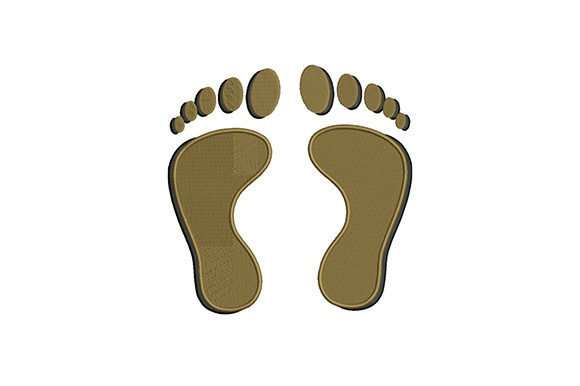
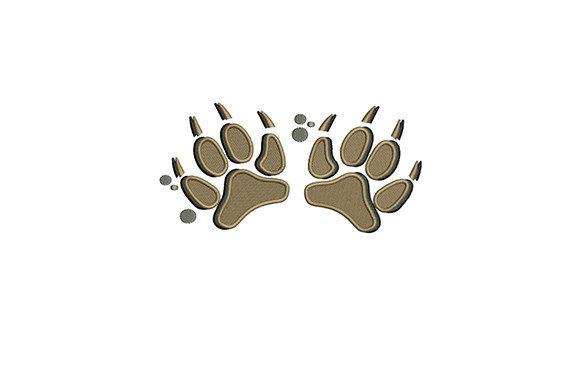
The immediate feeling that Wolf Footprints evokes is one of wanderlust and quiet strength. Unlike a full-body wolf illustration which can sometimes feel heavy or aggressive depending on the angle, footprints suggest movement, a path taken, and a story unfolding. The layout is clean, allowing the negative space to do much of the storytelling. With only three colors specified, the design relies on strong shapes rather than intricate shading. This restraint is actually a strength for machine embroidery, as it reduces the risk of thread breaks and ensures clarity when stitched.
The design feels grounded. It does not scream for attention but rather invites the viewer to follow the trail. For an Etsy seller or a boutique owner, this translates to high versatility. It fits perfectly into themes of nature, hiking, wilderness survival, or simply celebrating the spirit of the wild. It creates a sophisticated aesthetic that works well for both masculine and feminine audiences, making it a safe bet for a general craft business while still retaining a distinct character.
Real-World Application: From Tote Bags to Nursery Decor
Let's imagine a specific scenario: I am prepping for a holiday market stall where I sell personalized gifts and custom apparel. I need a design that appeals to parents looking for baby items, outdoor enthusiasts buying gear, and gift-givers needing something unique. Wolf Footprints steps up immediately here.
On a canvas tote bag, the design would anchor the center panel beautifully. The three-color palette allows me to play with earthy tones—forest greens, deep browns, and soft greys—or go bold with navy and white. Because the footprint motif is linear, it guides the eye across the fabric without overwhelming the texture of the canvas. Customers love seeing a finished product that looks intentional, and this design offers that polished look.
I also envision this design on a sweatshirt or hoodie, placed slightly off-center on the chest or down the sleeve. In these cases, the machine embroidery design acts as a subtle badge of identity. It signals a connection to nature without being too literal. For baby clothes, such as a onesie or a bib, the simplicity of the footprints makes them adorable and ageless. A parent might choose this over a cartoonish wolf because it feels more timeless and less likely to become "baby" themed as the child grows. On a pillow cover or a kitchen towel, the design adds a touch of rustic charm to a modern home, bridging the gap between farmhouse decor and contemporary style.
Performance on Different Fabrics and Surfaces
When testing Wolf Footprints for commercial use, fabric choice becomes critical. The design features a mix of stitch types that require careful consideration. If the design utilizes satin stitches for the outlines, it will provide a crisp edge on stable fabrics like denim or twill. However, if I were to attempt this on a stretchy knit fabric like a standard t-shirt without proper stabilization, the print could pucker. The key here is understanding the stitch density.
For a tote bag design, the thick weave of the canvas naturally supports the embroidery, preventing the threads from sinking too deeply. On a cap or hat, the curved surface presents a challenge. While the footprint shape is relatively flat, placing it on the front panel of a structured cap requires a hoop that accommodates the curve. If the hoop size is too small, the design may distort at the edges. I would recommend using a stabilizer that matches the weight of the garment to ensure the footprints remain true to their original shape.
Dark fabrics present another variable. With only three colors, contrast is vital. If the background is black, light thread colors are essential to make the footprints pop. Conversely, on a light fabric, darker threads create a striking silhouette. The design is versatile enough to handle both scenarios, provided the thread colors are selected with intention. For a custom apparel project, I would advise testing the color combination on a scrap piece of the actual fabric before committing to the final piece.
Where Caution is Required
While Wolf Footprints is robust, there are situations where it should be used carefully. Small hoop sizes can be tricky. If the design includes very fine details or tiny connecting lines between the toes of the paw prints, reducing the scale too much might cause the stitches to merge, losing the definition of the individual toes. Similarly, on textured fabrics like fleece or bouclé, the topography of the fabric can obscure the finer points of the embroidery. In these cases, a smoother backing or a different design with bolder lines might be preferable.
Dense stitch areas are another potential pitfall. If the design uses fill stitches for the pads of the paws, excessive density can make the fabric stiff and uncomfortable, especially on a baby item or a lightweight shirt. Before mass-producing a small shop product, I always check the file settings to ensure the density is appropriate for the intended garment weight. Additionally, products that require frequent washing, such as aprons or dish towels, benefit from a design that doesn't rely solely on delicate running stitches, which can snag easily. The footprint shape generally holds up well, but reinforcing the edges with a satin border can enhance durability.
Impact on Brand Value and Customer Trust
In the world of handmade goods, presentation is everything. A well-executed embroidery project elevates the perceived value of the item. Wolf Footprints contributes significantly to this perception. Its clean lines and thoughtful composition suggest professionalism. When a customer receives a personalized gift featuring this design, they perceive the maker as skilled and attentive to detail. This builds trust and encourages repeat business.
For digital product sellers creating printable mockups, this design offers excellent flexibility. It can be overlaid on various backgrounds to showcase its adaptability. Whether it is used in a listing for a holiday embroidery collection or featured in a portfolio for commercial embroidery services, the design commands respect. It avoids the generic look of clipart, offering instead a bespoke feel that justifies a higher price point. The ability to customize the thread colors further enhances this, allowing the seller to match brand colors or seasonal themes effortlessly.
Practical Designer Notes for Implementation
Before integrating Wolf Footprints into your workflow, there are several technical steps you must take. First, always test the design on a scrap of the same fabric you intend to use. This reveals how the stabilizer interacts with the material and whether the tension needs adjustment. Second, review the stitch density within the software. If the design feels too heavy, consider adjusting the parameters if your software allows, or select a lighter thread weight to reduce bulk.
Confirming the hoop size is crucial. Ensure your machine's hoop can accommodate the dimensions of the design without cutting off any elements. If you plan to sell finished items commercially, double-check the licensing terms associated with the digital embroidery file. Some files are for personal use only, while others permit commercial sales of the finished product. Understanding these distinctions protects your craft business from legal issues.
Finally, inspect the small details closely. Are the connections between the toe marks secure? Is the spacing even? A design that looks perfect on screen might reveal flaws when stitched out. By taking the time to verify these elements, you ensure that every finished product leaving your studio meets the highest standards. Wolf Footprints is a versatile tool in any designer's arsenal, capable of transforming simple materials into memorable keepsakes.