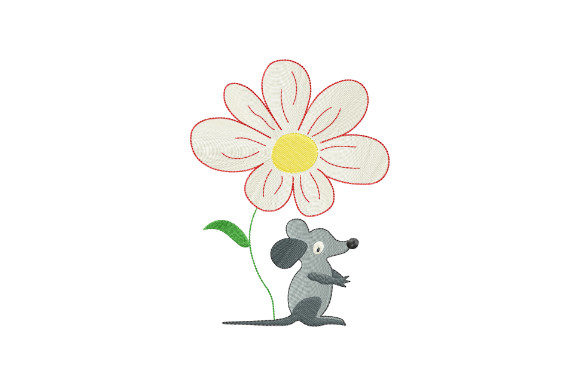
Baby Mouse and Chamomile: A Craft Fair Designer's Review
As an experienced embroidery designer preparing for a busy weekend craft fair, I spend my mornings scanning new design assets to see what will turn heads in a crowded booth. Today, I am reviewing the Baby Mouse and Chamomile machine embroidery design. The description paints a charming picture: a large chamomile flower acting like an umbrella, sheltering a small gray baby mouse from rain and sun. This nursery-themed embroidery file immediately strikes me as having high potential for handmade product lines, but does it translate well from a digital preview to a physical craft fair table? Let us break down exactly where this design fits best and how to maximize its sales potential.
First Impressions and Market Fit
The moment you look at the concept of Baby Mouse and Chamomile, the mood is undeniably soft, rustic, and heartwarming. It feels less like a modern graphic and more like a timeless storybook illustration brought to life with thread. For a craft fair seller or an Etsy shop owner, this aesthetic hits the sweet spot between farmhouse chic and premium childrens wear. It is not just cute; it has a narrative quality that stops a browser in their tracks.
In a sea of generic patterns, this design offers emotional resonance. The imagery of protection (the flower sheltering the mouse) creates an instant connection with parents and gift buyers. It feels suitable for decorating childrens products such as sweatshirts, jackets, and pillowcases, which are staple items for any boutique maker. However, the success of this embroidery file depends entirely on execution. Does the "umbrella" effect hold up when stitched onto fabric? Is the contrast strong enough to be seen from across a booth?
Product Placement: Where It Shines
When I imagine setting up my display table, I visualize specific products where Baby Mouse and Chamomile would stand out the most. It is not a one-size-fits-all design; it requires strategic placement to truly sell.
- Pillow Covers and Nursery Decor: This is the ideal home for this design. On a pillowcase, the large chamomile can serve as a focal point, filling the space beautifully without looking cluttered. The softness of the fabric allows the stitch density to shine, creating a tactile experience that online shoppers cannot replicate. This makes it a perfect nursery item for parents looking for handmade gifts.
- Tote Bags and Market Bags: A tote bag design needs to be bold. If the Baby Mouse and Chamomile pattern is scaled correctly, it works wonderfully on canvas totes. Customers love functional art they can carry around. Imagine a white canvas bag with the gray mouse peeking out under a vibrant yellow flower. It is photogenic, practical, and highly shareable on social media.
- Aprons and Tea Towels: For the kitchen-focused crafter, this design adds a whimsical touch to an apron or tea towel. The "umbrella" shape of the flower mirrors the drape of fabric, making it visually pleasing. It transforms a standard kitchen tool into a unique handmade product that stands out against mass-produced goods.
- Caps and Embroidered Patches: Here, caution is required. While a cap might feature a smaller version of the mouse, the detail of the flower petals might get lost on the curved surface. However, as a sew-on patch for a denim jacket or a backpack, this design could be a hit. It offers a distinct character that appeals to younger demographics.
Photography and Online Listings
For the digital seller, the visual appeal of Baby Mouse and Chamomile is crucial. When creating a printable mockup for your Etsy listing, the contrast between the gray mouse and the flower colors must be sharp. Light fabrics work best to make the design pop. If you are selling the digital embroidery file itself, ensure your photos show the texture of the stitches. Buyers need to know that the design is not flat; they want to feel the dimensionality of the chamomile petals.
Production Practicality and Selling Strategy
From a production standpoint, this design seems repeatable for batch manufacturing. If you are planning to produce a run of twenty pillow covers or fifty tote bags, consistency is key. The design appears to have a clear structure, which helps in maintaining uniformity across different pieces. However, there are critical factors to consider before hitting the "stitch" button.
Stitch Density and Detail Clarity
The description mentions a "large chamomile" and a "small gray baby mouse." This size difference is a double-edged sword. Large areas of stitching can sometimes lead to puckering if the stitch density is too high. You must test the design on scrap fabric to ensure the stabilizer chosen is robust enough to support the weight of the threads. Furthermore, tiny details on the mouse face or the intricate parts of the flower petals may lose clarity if the hoop size is too small or if the fabric texture is too coarse.
If you attempt to shrink this design for a small pouch or a hat, you risk losing the charm. The "umbrella" effect relies on the scale of the flower relative to the mouse. Reducing the size too much might make them look like indistinct blobs. Therefore, this design is best suited for medium-to-large formats where the details can breathe.
Fabric and Thread Considerations
Choosing the right thread colors is essential for brand consistency. To capture the "rustic" feel, earthy tones for the flower and a soft gray for the mouse will likely perform better than neon brights. Dark fabrics can hide the gray mouse, so stick to light or medium-toned materials like cream, beige, or pastel blues. Also, be mindful of textured towels; while they add character, they can make fine stitching look uneven. Smooth cotton or linen blends are generally safer bets for this specific design.
Essential Designer Notes Before You Sell
Before you list Baby Mouse and Chamomile as a finished product or sell the file, follow these professional steps to ensure quality and avoid returns.
- Test on Scrap Fabric: Never go straight to the final product. Run a test on a scrap piece of the same material you intend to use. Check for puckering, thread breaks, and color blending.
- Check Hoop Size: Confirm the recommended hoop size for the design. If the design exceeds the hoop, you may need to reposition it, which can affect the alignment of the mouse and the flower.
- Inspect Stabilizer Choice: Use the appropriate stabilizer (cut-away vs. tear-away) based on the fabric weight. For stretchy sweatshirts, a cut-away stabilizer is usually necessary to prevent distortion.
- Create Real Mockups: Do not rely solely on digital renders. Stitch a real sample and photograph it in natural light. Show the texture of the stitches to build trust with your customers.
- Verify Commercial Licensing: Ensure you have the correct commercial license to sell finished products made from this embroidery design. Some files are for personal use only, and selling them without permission can lead to legal issues.
Final Verdict for Craft Fair Sellers
Baby Mouse and Chamomile is a standout asset for any creative entrepreneur. Its narrative charm and visual softness make it a perfect fit for the nursery category and childrens wear. It has the potential to be a top-selling item on your craft fair table, especially when displayed on high-quality pillow covers or tote bags. By paying attention to stitch density, fabric choice, and proper stabilization, you can turn this digital concept into a tangible, beloved handmade product.
Whether you are a seasoned boutique maker or a new Etsy seller, this design offers a great opportunity to engage buyers with a story they can hold in their hands. Just remember to test thoroughly and present it with care. With the right execution, Baby Mouse and Chamomile will not just decorate a product; it will become the centerpiece of your booth.