Baby Llama: A Designer's Review for Craft Fairs
As an experienced embroidery designer who has spent countless weekends setting up booths at local craft fairs, I know that the difference between a product that sits on a table and one that flies off it often comes down to a single design choice. When I first laid eyes on Baby Llama, I immediately thought about how this specific machine embroidery design would perform in a high-traffic market environment. The description promises "adorable" cuteness and mentions a unique Box Stitch technique, which instantly piqued my interest as a potential bestseller for handmade shops.
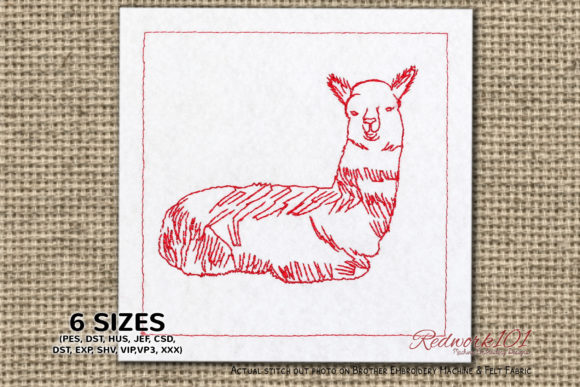
The concept of Farm Animals is perennially popular, but the execution matters immensely. This embroidery file is described as beautiful redwork, which suggests a clean, monochromatic aesthetic that fits perfectly into the modern farmhouse trend dominating today's boutique markets. Before committing to a full run of inventory, I put Baby Llama through its paces in a simulated booth scenario to evaluate its real-world selling potential.
First Impressions: Cuteness Meets Commercial Viability
When you look at Baby Llama from a distance, does it catch the eye? In a crowded craft fair booth, visual impact is everything. The playful nature of the title and the promise of a lovely touch suggest that this design is soft, minimal, and highly decorative without being overwhelming. The mention of the Box Stitch shown in the picture indicates a textured finish that adds depth, making the piece feel more premium than standard satin stitch designs.
For an Etsy seller or a small shop product owner, this design offers a versatile vibe. It feels rustic yet modern, making it suitable for a wide demographic ranging from young parents looking for nursery decor to adults who love whimsical home accents. The redwork style ensures that the design remains legible even when printed as a printable mockup for online listings, which is crucial for digital marketing success.
Product Placement: Where Baby Llama Shines
To determine the best ROI (Return on Investment) for production, I evaluated where Baby Llama would stand out most effectively. Here is my breakdown of top-performing items:
- Tote Bags: A classic tote bag design needs something that looks good centered or off-center. The playful personality of the llama makes it perfect for a large focal point on a canvas tote. Customers love carrying cute animals around, and this design screams "fun accessory."
- Apron Embroidery: For kitchen-focused sellers, apron embroidery is a staple. The redwork style pairs beautifully with linen or cotton twill aprons. It adds a charming, farmhouse feel that appeals to home cooks and bakers.
- Tea Towel Embroidery: Kitchen towels are high-volume sellers. The simplicity of the design allows it to work well as a small accent near the hem or as a larger statement piece. The texture of the towel fabric complements the box stitch nicely.
- Embroidered Patches: If you sell iron-on patches, Baby Llama is a strong candidate. The clear lines of redwork translate well to patch backing, creating a fun item for kids' jackets or denim vests.
- Pillow Covers & Market Bags: These items benefit from the "soft" and "playful" descriptors. A pillow cover featuring this design can anchor a nursery theme, while a market bag brings the charm to grocery shopping.
In a physical display, the contrast of the redwork against natural fabrics will create a strong visual hook. It photographs exceptionally well, which is vital for digital embroidery file creators who need to showcase their design assets effectively.
Production Reality: What to Watch Out For
While the design sounds promising, a professional review must address practical production challenges. As a commercial embroidery artist, I always advise testing before mass production. Here are the critical factors to consider with Baby Llama:
- Stitch Density and Detail: Redwork designs rely heavily on the density of the stitches to define the shape. If the original stitch density is too high, the fabric may pucker, especially on lightweight materials like tea towels. Conversely, if it is too low, the image might lose definition. You must check the design details to ensure the tiny features of the baby llama remain visible.
- Hoop Size and Spacing: Confirm the hoop size required for this design. If you plan to place it on a cap, you will need a smaller hoop or a curved surface setup. Ensure there is enough clearance on the garment so the embroidery doesn't hit seams or buttons.
- Fabric Texture: The description mentions adding a "playful touch," but textured fabrics can sometimes obscure fine details. On a rough burlap or thick canvas, the box stitch might not lay flat. Always test on scrap fabric that matches your final material.
- Thread Contrast: Since this is redwork, thread color selection is paramount. Standard black or navy works for most fabrics, but on dark fabrics, you will need a light underlay or a different color strategy to maintain clarity. The design assumes a certain level of contrast that must be preserved in your thread colors.
- Stabilizer Selection: To prevent distortion, use the right stabilizer. For stretchy fabrics like t-shirts or caps, a cut-away stabilizer is essential. For stable items like towels, a tear-away might suffice, but testing is key.
Selling Strategy and Customer Engagement
How does Baby Llama affect the perceived value of your finished product? A well-executed embroidery design elevates a basic item into a gift-worthy piece. The "cute" factor drives impulse buys, particularly for gifts involving children or farm-themed collections.
For booth displays, this design creates a cohesive look. Imagine a row of aprons, each with a slightly different variation of the same farm animal theme, with Baby Llama leading the pack. The consistency builds brand strength. Furthermore, because the design is playful and approachable, it encourages customer engagement. People stop to look at cute things; they want to touch the fabric and ask, "What is that?"
However, remember that not every product suits every design. Avoid placing this on items where the scale is too small, such as a tiny coin purse, unless the design is digitized specifically for that size. Small lettering or intricate details can get lost if the scale is incorrect.
Final Verdict for the Creative Entrepreneur
Baby Llama is a strong contender for your next collection of handmade products. Its blend of redwork elegance and playful subject matter hits the sweet spot for modern craft consumers. Whether you are a seasoned craft fair product vendor or a new Etsy seller, this design offers the flexibility to create a diverse range of items, from tea towel embroidery to embroidered patches.
Before you start your production line, take these essential steps: test the design on scrap fabric, verify the stitch density and hoop size requirements, and ensure you have the correct commercial licensing to sell finished goods. Create at least one real mockup to see how the fabric texture interacts with the box stitch pattern. Once you confirm these details, Baby Llama has the potential to become a standout item in your booth, drawing in customers and boosting your sales.
Embrace the charm of this design, keep your production quality high, and watch your small shop product line grow with the help of this adorable addition.