Kitchen Knife: A Designer's Review for Craft Fairs
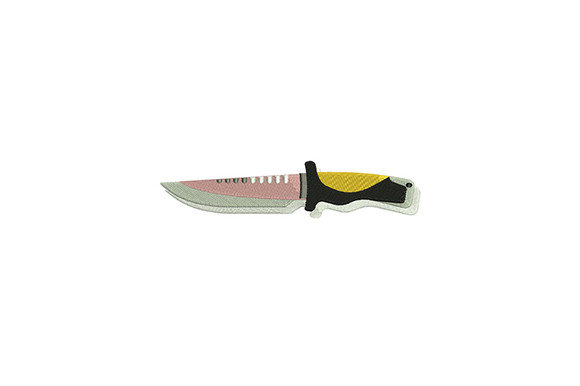
As an experienced embroidery designer preparing my booth for the upcoming weekend craft fair, I am constantly evaluating new digital assets to see if they have the potential to become best-sellers. Today, I am reviewing a design titled "Kitchen Knife." The description promises to add character to your kitchen and let everyone know how passionate you are about cooking and chopping. It mentions that this machine embroidery design comes with multiple variations, which immediately catches my eye.
In the world of handmade products, the difference between a design that sits on a shelf and one that flies off the table often comes down to visual impact and practical application. My goal is to determine exactly where Kitchen Knife fits into my inventory of tote bags, aprons, tea towels, patches, caps, small pouches, pillow covers, and giftable handmade items. Does it feel bold, cute, farmhouse, or modern? Is it simple enough for quick production but detailed enough to command attention?
First Impressions and Design Aesthetic
The title "Kitchen Knife" combined with the description suggests a design that leans towards the rustic, modern, or perhaps slightly humorous side of the farmhouse aesthetic. When I read "add some character," I imagine a design that isn't just a literal depiction of a blade, but something stylized that evokes the passion of cooking. For a craft fair product, the first impression must be strong from three feet away.
If the design is minimal and clean, it will work beautifully as a small accent on a dark fabric towel or a crisp white apron. However, if it features decorative flourishes or script lettering alongside the knife motif, it could serve as a larger focal point on a market bag or a pillow cover. The key question is whether the design feels premium or mass-produced. Based on the promise of multiple embroidery options, there is likely a version that balances high stitch density with clear lines, making it ideal for both boutique makers and Etsy sellers looking to elevate their brand consistency.
Product Versatility: Where Kitchen Knife Shines
To maximize sales at a handmade market, I need to visualize how Kitchen Knife translates across different mediums. Here is my breakdown of its performance on key items:
- Tote Bag Design: This is arguably the highest volume seller for craft fairs. A Kitchen Knife design embroidered on a sturdy canvas tote bag offers excellent visibility. Customers can spot it in a crowded aisle. It serves as a perfect accessory for grocery shopping or farmers markets, reinforcing the theme of fresh food and cooking.
- Apron Embroidery: An apron is a classic gift item. Placing the design on the bib or the lower pocket adds a personal touch. If the design includes text about being passionate about chopping, it becomes a conversation starter for the wearer.
- Tea Towel Embroidery: Tea towels are high-margin items. The design needs to be sized correctly so it doesn't get lost in the hem. On a linen-textured towel, the contrast of the thread colors against the fabric texture can make the image pop.
- Embroidered Patch: Converting this into a patch allows for versatility. Sellers can iron them onto denim jackets, beanies, or even other fabric pouches. This expands the reach of the design beyond just kitchen linens.
- Caps and Fabric Pouches: For smaller items like caps, the design must be compact. If the Kitchen Knife file includes a condensed version, it will work well as a subtle logo on a baseball cap. Small pouches for utensils or spices benefit from the design acting as a charming label.
- Pillow Covers and Market Bags: These larger canvases allow for more creative use of color. A large-scale Kitchen Knife on a throw pillow can anchor a kitchen display or a cozy living room setup.
Practical Selling and Production Considerations
When I am standing behind my booth, I am thinking about how quickly I can produce these items and how they photograph for online listings. A design that looks great on a screen but fails in person is a recipe for returns. Kitchen Knife appears to be a "simple" design, which is generally good for batch production. Simple designs usually translate well to photo-ready images, ensuring that your printable mockups and Etsy listings accurately represent the finished product.
For commercial embroidery, repeatability is key. If the design has consistent spacing and balanced stitch density, I can run it through the hoop multiple times without frequent re-hooping or stabilizer changes. This efficiency directly impacts profit margins. However, I must verify the specific details before committing to a full run. Does the design include the necessary file formats for my machines? Are the thread colors specified, or do I need to source them myself? Checking these details ensures that the final output matches the vision.
Crucial Use Notes and Potential Pitfalls
Even the best digital embroidery files require careful handling. Before I put Kitchen Knife on my production line, I need to address several potential challenges:
- Dense Stitch Areas: If the design relies heavily on fill stitches, it may create a stiff area on the fabric. This is fine for a tea towel but might be uncomfortable on a fitted apron or a soft pillow cover. I need to ensure the stabilizer chosen supports the weight of the stitches.
- Tiny Details and Lettering: The description mentions letting people know you are passionate about cooking. If this involves small script text, it can easily blur on textured fabrics or curved surfaces like caps. I must test this on scrap fabric to ensure legibility.
- Fabric Texture and Thickness: Embroidering on thick terry cloth or heavy canvas requires a different approach than smooth cotton. The needle penetration depth must be adjusted to prevent puckering. If the fabric is too textured, the design might lose clarity.
- Dark Fabric Challenges: Using light-colored threads on dark fabric requires underlay stitches to hide the background color. Without proper setup, the Kitchen Knife design might look muddy rather than crisp.
- Hoop Size Constraints: I need to confirm the hoop size required for the largest variation of the design. If it exceeds standard hoops, I may need to split the design, which affects the overall quality and speed of production.
Designer's Checklist for Success
To ensure Kitchen Knife becomes a standout item in my collection, I follow a strict pre-production protocol. First, I always test the design on scrap fabric that matches the final material in terms of weight and texture. This helps me visualize the thread colors and check the contrast immediately.
Next, I review the spacing and confirm the hoop size to avoid any mid-project errors. Inspecting the stitch density is vital; too much density can distort the fabric, while too little can leave gaps. I also make sure to use the right stabilizer—cut-away for stretchy fabrics and tear-away for stable wovens—to maintain the integrity of the design.
Creating at least one real mockup is non-negotiable. Digital renders are helpful, but seeing the actual thread sheen and how the design sits on the fabric provides insights that software cannot. I compare various fabric colors to find the most appealing combination for my target audience. Finally, I double-check the commercial licensing terms. As a digital seller or small shop owner, ensuring I have the rights to sell finished products made from this design asset is essential for legal compliance.
Final Verdict: A Strong Contender for the Booth
Overall, the Kitchen Knife design shows immense potential as a craft fair product. Its focus on character and passion aligns perfectly with the handmade ethos that customers seek. Whether used as a standalone piece on a tea towel or as part of a curated set of kitchen accessories, it has the visual appeal to drive customer attention and boost product value.
By carefully managing production variables like stitch density, thread colors, and fabric choice, I can turn this digital embroidery file into a tangible, high-quality finished product. For Etsy sellers, boutique makers, and creative entrepreneurs, adding Kitchen Knife to their catalog could be the spark that turns a casual browser into a loyal buyer. It represents more than just a pattern; it is a statement of love for the culinary arts, stitched into every item we sell.
With the right preparation, this design will not only stand out on my table display but also resonate deeply with anyone who loves to cook. It is a reminder that even a simple design, when executed with care and professional insight, can transform a plain fabric into a cherished keepsake.