Coffee Bean Cup Pattern Review for Real Projects
As a professional embroidery designer who has spent years refining designs for both personal passion projects and commercial client work, I approach every new download with a mix of excitement and skepticism. The market is flooded with digital assets, but finding that one specific embroidery file that truly elevates a handmade product requires careful evaluation. Recently, I examined the Coffee Bean Cup Pattern available on Creative Fabrica to determine if it was suitable for a real-world order involving kitchen linens and custom apparel. This review focuses on the practical application of this design, its visual impact, and how it performs when stitched into finished goods.
First Impressions and Visual Mood
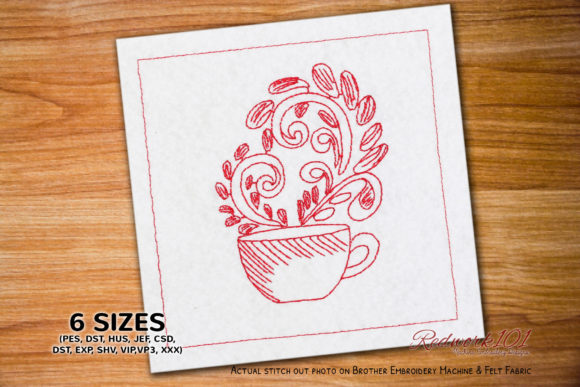
The moment I opened the preview images for the Coffee Bean Cup Pattern, the aesthetic immediately resonated with current trends in home decor and boutique merchandise. It is described as a beautiful redwork embroidery, which suggests a clean, single-color outline style that relies on the fabric itself for color contrast. This is a crucial detail for designers looking to create versatile products without being limited by thread inventory.
The design features a coffee cup motif filled with bean details, creating a warm and inviting mood. Unlike overly complex machine embroidery designs that can feel cluttered, this pattern offers a minimalist charm that fits perfectly within modern farmhouse or rustic chic themes. The inclusion of an optional box stitch adds a layer of customization, allowing the designer to frame the image or leave it open depending on the final product's layout. For a project intended for a kitchen towel or an apron, this simplicity is a significant advantage, ensuring the design does not overwhelm the fabric texture.
Performance in Real Embroidery Applications
When considering the Coffee Bean Cup Pattern for actual production, I evaluated its performance across various categories of handmade products. The versatility of this machine embroidery design is impressive, making it a strong candidate for small business owners looking to expand their inventory.
- Kitchen Linens: The primary suggested use is for kitchen decorations. Stitching this onto high-quality cotton tea towels or aprons creates an instant focal point. The redwork style works exceptionally well here because it mimics the look of traditional hand-stitched patterns, adding a touch of artisanal authenticity that customers love.
- Apparel and Totes: For custom apparel like sweatshirts or tote bags, the design's scalability is key. A smaller version works beautifully on a cap or a baby blanket, while a larger execution can anchor a large tote bag design. The clean lines ensure that the design remains legible even on curved surfaces like caps.
- Commercial Embroidery: For sellers listing items on Etsy or craft fairs, this pattern offers high perceived value. It translates well into digital mockups, allowing entrepreneurs to showcase finished products before they are even stitched. The cohesive look helps maintain brand consistency across different product lines.
Practical Considerations for Stitching
While the visual appeal is undeniable, the true test of any digital embroidery file lies in its technical execution. When reviewing the Coffee Bean Cup Pattern, several practical factors must be addressed to ensure a flawless finished product.
Hoop Size and Density: One of the most common pitfalls in embroidery is underestimating the required hoop size. If the design includes the optional outer box, the total dimensions may require a medium to large hoop. Designers should verify the specific hoop size requirements before starting. Furthermore, areas with dense fill stitches can sometimes cause puckering, especially on lightweight fabrics. It is essential to review the stitch density settings within your software to ensure the threads lay flat without distorting the base material.
Fabric Compatibility: Redwork designs rely heavily on contrast. On dark fabrics, a standard white or light thread might not provide enough visibility unless the fabric is specifically chosen for this effect. Conversely, on light fabrics, the design shines. For stretchy fabrics like those used in sweatshirts or t-shirts, proper stabilizer selection is non-negotiable. A cut-away stabilizer is often recommended to prevent the design from warping during wear and washing.
Small Details and Lettering: While the prompt mentions the box stitch is optional, designers must be cautious if the design includes tiny lettering or intricate bean details. Small running stitches can sometimes get lost or break down over time if the thread tension is too tight. Always inspect small details after stitching to ensure they are distinct and secure.
Impact on Product Value and Brand Trust
In the world of handmade goods, presentation is everything. A well-executed Coffee Bean Cup Pattern significantly enhances the perceived value of a product. Customers paying for a personalized gift or a boutique item expect precision. A design that stitches cleanly with good definition builds buyer trust and encourages repeat purchases.
The aesthetic of this pattern also supports "giftability." A coffee-themed design is universally appealing, making it a safe yet thoughtful choice for holidays, housewarmings, or corporate gifts. When photographed for social media or online listings, the clean lines of the redwork style allow the texture of the fabric to show through, resulting in high-quality imagery that engages potential buyers. However, to maintain this level of quality, the final product must be finished professionally, with all loose threads trimmed and the backing stabilized correctly.
Essential Steps Before Production
Before committing to a bulk order or a rush client request, there are critical steps every designer should take. First and foremost, always test the embroidery design on scrap fabric that matches the weight and stretch of the final product. This step reveals potential issues with thread breaks, puckering, or registration errors that cannot be fixed later.
Designers should also check the thread color contrast against the intended fabric. While the pattern is flexible, the right combination of thread and cloth makes all the difference. Additionally, confirm the file details and licensing terms on the Creative Fabrica product page. Understanding whether you have the rights to sell the finished items is vital for protecting your business.
If the product description does not specify exact stitch counts or file formats, do not guess. Reach out to the creator or consult the download package carefully. Proper stabilization techniques, such as using tear-away or cut-away backing depending on the fabric type, are also mandatory for a durable result. Finally, compare light and dark fabric mockups to ensure the design looks balanced regardless of the customer's preference.
Final Verdict
The Coffee Bean Cup Pattern stands out as a versatile and aesthetically pleasing asset for embroidery professionals. Its redwork style offers a timeless look that fits seamlessly into kitchen decor, apparel, and gift items. While it requires attention to detail regarding hoop size, stabilizer choice, and fabric compatibility, the payoff in terms of product quality is substantial. For creative entrepreneurs looking to add a charming, coffee-inspired element to their shop, this design is a worthy investment. By following best practices and testing thoroughly, designers can transform this digital asset into a profitable line of handmade products that delight customers and uphold professional standards.