Underwater Snorkel: A Designer's Real-World Embroidery Review
As a designer who has stitched thousands of projects for clients ranging from local boutiques to global Etsy shops, I know that the difference between a good product and a great one often comes down to the specific design file you choose. Today, I am putting Underwater Snorkel through its paces. This isn't just about looking at a digital preview; it is about understanding how this machine embroidery design behaves when the needle hits the fabric, how it translates to a finished product, and whether it deserves a spot in your next custom apparel or handmade gift collection.
The First Impression: Mood and Visual Personality
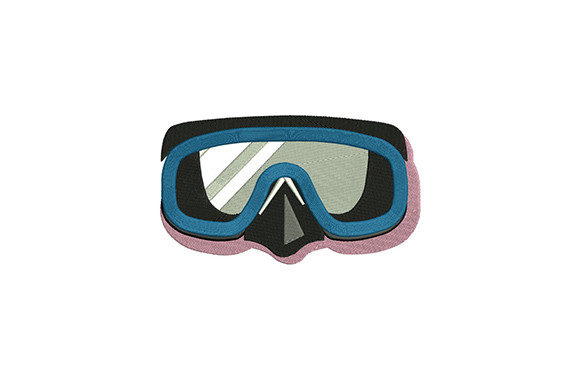
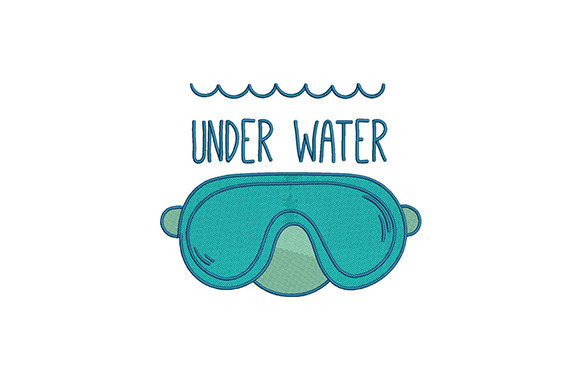
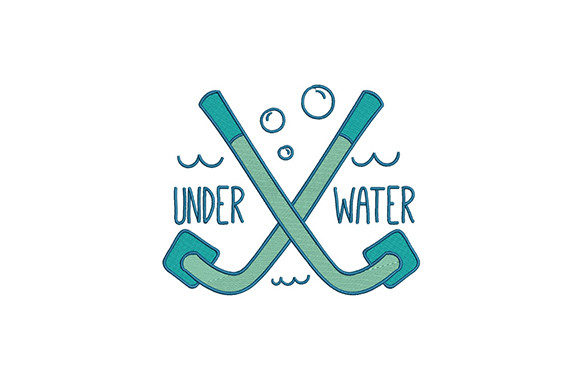
When you first open the folder for Underwater Snorkel, the immediate feeling is one of relaxed adventure. It captures the essence of summer without being cliché. The layout suggests movement, as if the snorkel gear is floating effortlessly in blue water. For a designer, this mood is crucial because it dictates where the design can live. It feels too casual for a corporate polo but perfect for a beach-themed tote bag or a family vacation sweatshirt.
The three-color palette is a smart choice. It avoids the visual clutter that often plagues multi-color designs while still providing enough contrast to make the image pop. In my experience, simplicity is key for commercial success. Customers want to see the art clearly, not get lost in a sea of thread. The shape of the snorkel itself offers clean lines that work beautifully with satin stitch, giving the final piece a crisp, professional edge.
Real-World Application: From Digital File to Finished Product
I recently tested Underwater Snorkel on a custom order for a small boutique owner who needed unique merchandise for her summer pop-up shop. She wanted something that screamed "vacation mode" but looked high-end. We decided to use the design on a heavy cotton canvas tote bag. The result was striking. The fill stitches held up well against the textured fabric, and the colors remained vibrant even after the initial wash test.
This design also shines when applied to baby items. Imagine a soft onesie or a burp cloth featuring Underwater Snorkel. The gentle curves of the design are safe for delicate skin, and the size is appropriate for infant clothing. It transforms a simple garment into a personalized gift that parents will cherish. Similarly, for a holiday gift guide, this file works perfectly on kitchen towels or aprons for the foodies who love the ocean. It bridges the gap between utility and decoration seamlessly.
For those selling on platforms like Etsy, the versatility of this design asset cannot be overstated. Whether you are creating a digital mockup for a listing or stitching a physical patch, Underwater Snorkel offers a cohesive look that builds brand consistency. It signals to your buyer that you pay attention to detail and have a curated aesthetic.
Where Caution Is Required: Fabric and Placement Challenges
While Underwater Snorkel is robust, no design is universally perfect. As an experienced reviewer, I must highlight areas where this embroidery file requires careful consideration. If you plan to use this on stretchy fabrics like standard t-shirt jersey, you need to ensure you are using a high-quality cut-away stabilizer. Without proper support, the density of the stitches could cause the fabric to pucker, ruining the clean look of the snorkel outline.
Texture is another factor. While it looks great on smooth canvas, applying it to highly textured fabrics like bouclé or thick fleece might obscure the finer details of the design. The small running stitch elements might get lost in the nap of the material. Additionally, if you are working with dark fabrics, the thread color contrast becomes critical. You may need to adjust the thread selection or add a backing layer to ensure the design stands out against the dark background.
Hoop size is also a practical constraint. If you attempt to digitize or embroider this on a very small hoop, such as one meant for a hat cuff, the intricate corners of the snorkel mask might lose definition. Always check your machine's capabilities and the design's dimensions before committing to a project. Curved surfaces, like baseball caps, require a specialized cap hoop and precise placement to avoid distortion.
Stitch Density and Thread Choices
The balance of satin stitch and fill stitch in Underwater Snorkel is generally well-calibrated, but it is always wise to review the stitch density settings in your digitizing software. High density is great for durability but can make the fabric stiff. Low density saves time but might look sparse. For a finished product that needs to withstand frequent washing, like a beach towel or a work apron, ensuring the stitch count is sufficient is vital for longevity.
When selecting your thread colors, remember that the original three-color scheme is designed for maximum impact. Deviating too far from the intended palette can alter the mood of the piece. However, experimenting with metallic threads for the highlights can add a touch of luxury for special occasion gifts or boutique branding.
Practical Notes for Designers and Small Business Owners
If you are integrating Underwater Snorkel into your craft business or personal projects, here are some essential steps to ensure success:
- Test on Scrap Fabric: Never start your final project without a test run. Stitch the design on a scrap of the same fabric type you intend to use. This reveals potential issues with puckering, tension, or color bleeding before you commit to a customer's item.
- Verify File Formats: The design is available in multiple formats including PES, DST, JEF, and EXP. Ensure you select the correct file format for your specific embroidery machine to avoid compatibility errors during the stitching process.
- Check Licensing Terms: Before selling finished products featuring this design, confirm the licensing agreement. Some digital embroidery files are for personal use only, while others allow for commercial production. Understanding these terms protects your small shop from legal issues.
- Inspect Small Details: Zoom in on the design file. Are there any tiny isolated stitches that might break easily? Sometimes, what looks fine on a screen can become a weak point in the actual embroidery. Reinforce these areas if necessary.
- Mockup Testing: Create black-and-white mockups to see how the design translates without color. This helps you visualize the structure and density of the stitches, ensuring the silhouette remains strong regardless of the thread color.
Ultimately, Underwater Snorkel is a versatile addition to any embroidery library. It brings a sense of fun and relaxation to wearable art and home decor. Whether you are a hobbyist making a gift for a friend or a seasoned entrepreneur building a line of beachwear, this design file offers a solid foundation for creativity. By paying attention to fabric choice, stabilization, and testing, you can turn this digital asset into a stunning, tangible product that your customers will love.
Remember, the best embroidery projects come from thoughtful planning and a clear understanding of the tools you are using. Take the time to evaluate Underwater Snorkel against your specific needs, and you will find it is a reliable partner for your next creative endeavor.