Scuba Diving Goggles Review
When I first opened the file for Scuba Diving Goggles, my immediate reaction wasn't about the technical specs or the list of supported formats. It was about the vibe. There is a distinct energy to diving gear that translates surprisingly well into thread. This isn't just a generic icon; it has a specific personality that feels adventurous, slightly retro, and undeniably fun. As someone who spends hours evaluating digital assets before they ever hit the hoop, I look for designs that hold their shape and tell a story without getting lost in the stitching. This design type Machine Embroidery Design delivers exactly that kind of clarity.
First Impressions: A Splash of Ocean Energy
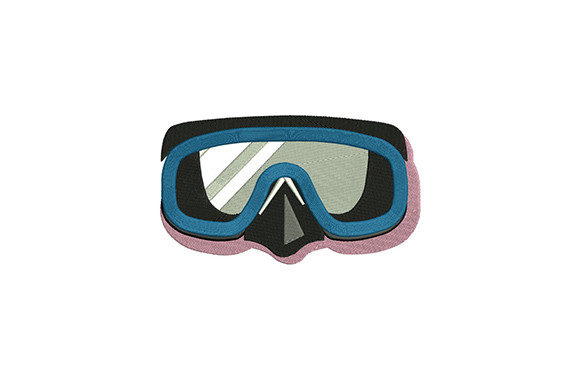
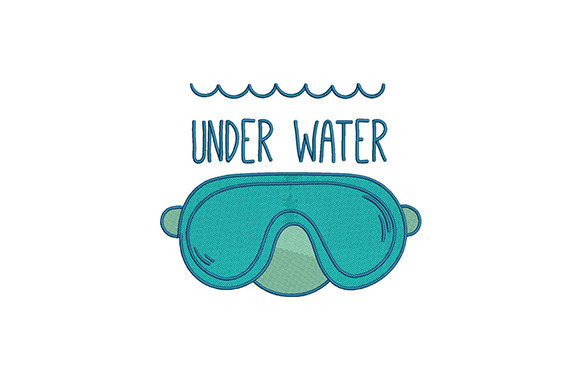
The layout of Scuba Diving Goggles strikes a balance between detailed realism and stylized simplicity. The three-color palette is crucial here. In my experience, too many colors on a single motif can lead to a muddy finish, especially when working with fill stitches. However, this design uses its limited color count effectively to create depth. You get the contrast of the lens against the frame and the strap, which suggests a cohesive image even before the machine starts humming.
Mood-wise, it screams summer adventure. It evokes memories of saltwater, coral reefs, and the quiet anticipation of an underwater exploration. For a designer looking to build a collection around travel or outdoor hobbies, this piece fits perfectly. It creates a sense of movement and focus. The visual weight of the goggles is substantial enough to anchor a garment but clean enough to not overwhelm a smaller item like a baby bib or a kitchen towel.
Real-World Application: From Tote Bag to Boutique Shelf
Let's talk about how this actually performs when you move from the screen to the fabric. Imagine I am preparing a custom embroidered tote bag for a local dive shop or creating a line of beach-themed apparel for an Etsy store. The Scuba Diving Goggles design would sit beautifully on the front pocket of a canvas tote. The sturdy nature of canvas pairs well with the bold lines of the design, allowing the satin stitch edges to pop without sinking into the weave.
I also see this working exceptionally well on a sweatshirt for a family reunion or a group trip. When placed over the heart or centered on the chest, the design acts as a badge of honor for the divers in the group. The three colors used allow for a bit of customization if you want to match the thread to a specific team uniform. On a light background, the dark outlines define the shape sharply, while on a navy or teal shirt, the lighter threads in the lenses could catch the light, adding a subtle shimmer to the finished product.
For small business owners, this design is a versatile asset. It works on aprons for a seafood restaurant, pillow covers for a coastal-themed nursery, or even as an embroidered patch for a denim jacket. The versatility extends to holiday gifts, where a personalized set of towels featuring these goggles could be a unique present for parents who love the ocean. The design bridges the gap between a hobbyist craft project and a professional commercial embroidery piece.
Navigating the Challenges: Where to Exercise Caution
While the design is strong, no embroidery file is perfect for every scenario. There are specific situations where Scuba Diving Goggles requires careful handling. If you are working with a very small hoop size, such as one meant for a cap brim or a tiny sock, the detail might get lost. The curves of the goggle lenses need a certain amount of space to maintain their roundness; cramming them into a tight area can distort the geometry.
Fabric texture is another critical factor. Stretchy fabrics like jersey t-shirts can cause the design to pucker if the stabilizer isn't chosen correctly. The dense stitch areas in the frame of the goggles might pull the fabric if the backing isn't firm enough. Similarly, on thin fabrics like silk or sheer polyester, the weight of the thread could drag the material down, ruining the drape of the garment. Dark fabrics present their own challenge; while the design offers contrast, you must ensure the thread density is high enough to cover the base color completely, otherwise, the underlying fabric might show through the lighter sections.
Curved surfaces like caps require precise digitizing adjustments that often depend on the specific machine capabilities. If the original digitizing didn't account for the curvature of a baseball cap, the lenses might appear flattened or misaligned when stitched. Always inspect the small details and dense stitch areas before committing to a full production run. If the design includes tiny lettering or decorative accents, test them thoroughly to ensure they remain legible after washing.
Practical Notes for the Designer
Before you start your next embroidery project, there are a few non-negotiable steps to take. First, always test the design on scrap fabric that matches the final product in both texture and weight. This allows you to see how the stitch density interacts with the material and if any puckering occurs. Check the thread colors closely; sometimes a color that looks vibrant on a monitor appears dull under natural light or when stitched tightly.
Review the hoop size requirements listed in the file metadata. Ensure your machine can accommodate the dimensions without cutting off parts of the design. Inspect the small details by zooming in on a mockup or printing the design at 100% scale. It is also wise to test the design in black and white to verify that the contrast holds up regardless of the thread colors used. Compare how it looks on light versus dark backgrounds to determine the best use case for your specific inventory.
Don't forget the importance of proper stabilizer. For a design like this, which likely features a mix of satin and fill stitches, a cut-away stabilizer is often necessary to prevent distortion, especially on items that will be washed frequently. Confirm whether the license allows for commercial use if you plan to sell finished products or include this in a bundle of digital embroidery files. Verify the compatibility with your specific machine software to avoid conversion errors.
Final Verdict on Visual Appeal and Value
In terms of visual appeal, Scuba Diving Goggles elevates the perceived value of a handmade product. Customers associate clean, well-executed embroidery with quality and care. When a buyer sees a crisp, colorful design of diving gear on a premium tote bag or a soft baby onesie, it signals professionalism. It builds trust in your brand and makes the item feel more special than a standard printed graphic.
The design fosters recognition and engagement. It taps into a niche market that loves the ocean, making it highly shareable on social media platforms where visual storytelling is key. Whether you are an Etsy seller, a crafter, or a boutique owner, having a reliable asset like this in your library allows you to offer personalized gifts and custom apparel with confidence. It transforms a simple piece of fabric into a conversation starter.
Ultimately, this machine embroidery design is a solid addition to any collection focused on beach themes or active lifestyles. It balances artistic flair with technical feasibility, provided you respect the limitations of the medium. By following the practical guidelines and testing rigorously, you can turn this digital file into a stunning finished product that delights customers and stands the test of time.