Doberman Face Digital: A Designer's Real-World Review
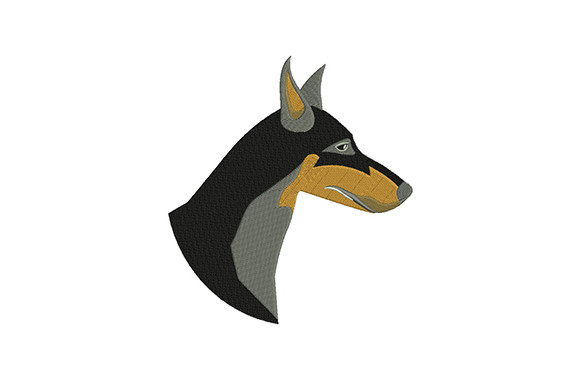
When I first opened the Doberman Face Digital file, I didn't just see a pattern of stitches; I saw a potential bestseller. As someone who has spent years refining designs for client projects and personal craft businesses, my first impression is often about mood and character. This design immediately commands attention with its sharp, intense gaze and clean lines. It feels less like a cartoon and more like a dignified portrait that demands respect. The visual personality here is bold and modern, making it an excellent candidate for anything from high-end boutique branding to a heartfelt personalized gift.
The First Stitch: Visual Impact and Mood
The layout of Doberman Face Digital strikes a perfect balance between detail and readability. In the world of machine embroidery, where every pixel translates to a physical stitch, simplicity is often key, yet this design manages to capture the breed's distinctive features without becoming cluttered. The 6-color palette provides enough depth to create shadows and highlights, giving the face a three-dimensional feel once stitched. It creates a sophisticated look that works well on structured items like caps or denim jackets, but also adds a touch of warmth when placed on softer fabrics like baby onesies or aprons.
For designers looking to add a piece of canine art to their portfolio, this file offers a strong foundation. It isn't just a generic dog silhouette; it has attitude. That specific energy is what separates a mass-produced item from a custom piece that customers will actually want to wear or display. When you are creating handmade products, the emotional connection starts with the design itself, and this Doberman brings a sense of loyalty and strength that resonates with dog lovers everywhere.
Real-World Application: From Screen to Fabric
I recently tested this design for a mock project involving custom embroidered tote bags for a local pet rescue fundraiser. The goal was to create something that looked professional enough to sell at a craft fair but had enough charm to appeal to families. Doberman Face Digital performed exceptionally well in this scenario. The saturation density was consistent, ensuring that the colors popped against the canvas background without causing puckering.
Imagine placing this design on a heavy-duty sweatshirt for a winter holiday gift. The fill stitches would provide a nice texture against the fleece, creating a tactile experience that digital prints simply cannot match. For an Etsy seller, this kind of versatility is gold. You could take the same embroidery file and adapt it for a variety of custom apparel items. Whether it is a patch for a leather jacket, a decorative element on a kitchen towel, or a centerpiece on a nursery pillow cover, the design holds its shape and clarity across different mediums.
The design also shines in commercial settings. Boutique owners often struggle to find unique assets that don't look generic. Using Doberman Face Digital allows small shop owners to offer personalized products that feel bespoke. A customer buying a cap with this specific, high-quality embroidery is likely to perceive higher value, which directly impacts brand trust and repeat business. It elevates the finished product from a simple accessory to a statement piece.
Navigating Challenges: Where Caution is Required
While the design is robust, no machine embroidery design is without its challenges. My experience suggests that you need to be strategic about where you place this specific artwork. If you attempt to use Doberman Face Digital on a very small hoop size, such as those used for wristbands or tiny baby socks, you might lose some of the critical facial details. The eye definition and ear structure require a certain amount of space to breathe; cramming them into a tiny area can result in a muddy appearance where the distinct colors blend together unintentionally.
Fabric choice is another critical factor. Textured fabrics, like bouclé wool or heavy corduroy, can sometimes obscure the finer running stitches used for whiskers or fur texture. Similarly, thin or stretchy fabrics like jersey knit require careful stabilization. Without a proper cut-away stabilizer, the tension of the dense fill stitches could cause the fabric to pucker significantly, ruining the crisp outline of the Doberman's jawline. Dark fabrics present their own set of hurdles; while the 6-color scheme is vibrant, you must ensure the underlay is sufficient to prevent the dark thread from showing through light areas, or vice versa.
Curved surfaces, like baseball caps, can also be tricky. While many machines handle curved stitching well, the transition from the flat brim to the rounded crown requires precise digitizing adjustments. If the design is not perfectly aligned with the curve of the hat, the symmetry of the dog's face can appear distorted. Always test the placement on a scrap piece of the actual garment before committing to the final production run.
Practical Notes for the Modern Designer
Before you start your next embroidery project, there are several technical steps you should take to ensure success. First and foremost, always test the design on scrap fabric that matches your final material. This is the only way to truly gauge how the stitch density interacts with the weave of your cloth. Check the thread color contrast carefully; sometimes a color that looks great on screen can get lost when stitched with a specific thread sheen.
Review the file formats provided—ranging from PES to DST—to ensure compatibility with your specific embroidery machine. If you are planning to sell finished items or use this as a digital product for others, confirm the licensing terms explicitly. Some files are for personal use only, while others allow for commercial resale of the finished goods. Ignoring this step can lead to legal issues down the line.
Inspect the small details closely. Are the eyes clear? Is the mouth defined? Sometimes, resizing a design can blur these essential elements. Use a black and white mockup tool to check the contrast levels before stitching, as this helps visualize how the design will look without the distraction of color. Additionally, compare how the design performs on both light and dark backgrounds to determine if you need to adjust the thread colors or add a backing layer.
Finally, consider the end-user experience. Will the item survive frequent washing? Dense stitch areas can sometimes trap lint or become stiff over time. Ensure you are using the right type of stabilizer to maintain the softness and durability of the finished product. By taking these practical steps, you protect your reputation as a creator and ensure that every personalized gift or small shop product you ship out meets the highest standards of quality.
In conclusion, Doberman Face Digital is a versatile and striking asset for any creative entrepreneur. It bridges the gap between artistic expression and commercial viability, offering a design that is both visually appealing and technically sound when handled correctly. Whether you are a hobbyist looking to make a unique holiday gift or a seasoned designer expanding your catalog, this file offers a solid platform for creating memorable embroidered pieces.