Christmas Corner: A Designer's Review for Gift Creators
As an experienced embroidery designer who has spent countless hours testing files for my own boutique, I recently put the Christmas Corner design through its paces. My goal was simple: to determine if this digital file is worthy of being stitched onto real products destined for a personalized gift shop. In the world of handmade commerce, a single design can make or break a customer's first impression. After running several test stitches and visualizing various end products, I am ready to share my honest perspective on how Christmas Corner performs as a centerpiece for holiday gifting.
The First Impression: Charm and Emotional Appeal
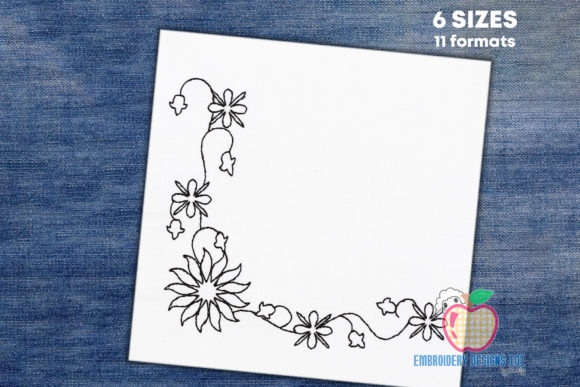
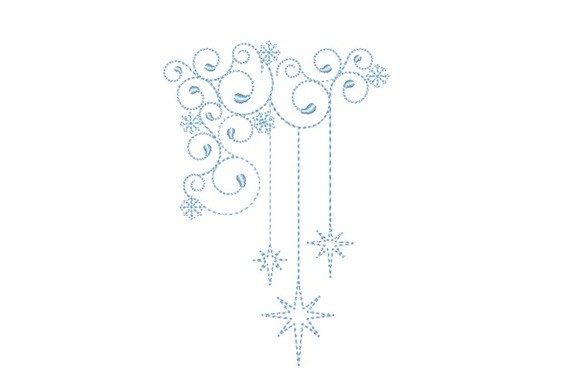
When you first open the Christmas Corner machine embroidery design, the immediate feeling is one of warmth and nostalgia. It does not scream for attention with loud graphics; instead, it whispers elegance. The corner placement creates a subtle frame that suggests a finished, polished look without overwhelming the canvas. For creators looking to build emotional connections with buyers, this design hits the sweet spot between classic and modern.
I imagine this design adorning a soft white baby blanket in a nursery. The corner motif would feel like a gentle hug, perfect for a new arrival during the holidays. Alternatively, picture it on a high-quality kitchen towel hanging in a cozy home. The mood is undeniably seasonal yet timeless. It feels like a keepsake rather than just a decoration. This level of charm is exactly what drives engagement for Etsy sellers and small business owners who need their products to stand out in a crowded marketplace. The design invites the viewer to imagine the story behind the gift, which is crucial for selling personalized gifts.
Perfect Applications for Your Product Line
The versatility of Christmas Corner makes it an ideal candidate for a wide array of product categories. Whether you are creating items for weddings, baby showers, or family gatherings, this design offers flexibility. Here are some specific scenarios where this design shines:
- Baby Embroidery: Stitching this onto a receiving blanket or a burp cloth adds a touch of sophistication. Parents often seek items that are both practical and sentimental, and a corner design provides a focal point without covering the entire fabric.
- Wedding Gifts: Imagine a set of embroidered towels or a linen pillow cover given as a housewarming present. The design elevates the perceived value of the item, making it feel like a luxury gift rather than a generic store-bought item.
- Home Decor: Pillow covers and aprons benefit greatly from corner placements. They allow the rest of the fabric to breathe while still showcasing your craftsmanship. This is particularly effective for craft fair products where visual appeal is paramount.
- Custom Tote Bags: For shoppers looking for unique holiday bags, this design adds a festive touch to canvas totes. It works well as a custom embroidery project where the owner might add a name or date alongside the motif.
- Nursery Items: Beyond blankets, consider using this on wall hangings or storage bins. The corner style fits perfectly into organized spaces, appealing to parents who love aesthetic consistency.
For digital product sellers, this design serves as a fantastic asset for creating printable mockups. You can visualize how the embroidered towel or pillow cover looks before a single stitch is made, helping potential buyers understand the final quality.
Where to Exercise Caution
While Christmas Corner is beautiful, no design is universal. As a professional reviewer, I must highlight areas where careful planning is required to ensure a successful finished product. Not every fabric or surface is suitable for this type of stitching.
Fabric Texture and Thickness: Thick towels or heavily textured fabrics can sometimes swallow up fine details. If the design includes intricate elements, they may not register clearly on a plush terry cloth towel. Always test on the actual material you intend to sell. Similarly, stretchy baby clothes require a stabilizer that prevents puckering, but the design itself must be robust enough to handle the tension of the fabric.
Small Details and Lettering: If the design includes any text or very small decorative elements, be cautious about scaling them down too much. On smaller items like apron pockets or tote bag corners, tiny details can get lost. Ensure the stitch density is appropriate so that the design remains crisp.
Curved Surfaces and Dark Fabric: Applying this design to curved surfaces requires precision in hooping. Additionally, while dark fabric can look stunning with bright threads, contrast is key. If the thread colors do not pop against the background, the design loses its impact. Always compare light and dark fabric mockups to ensure the color palette works for your specific customer base.
Impact on Giftability and Brand Trust
In the world of handmade sales, trust is everything. When a customer sees a high-quality machine embroidery design like Christmas Corner, it signals professionalism. A well-executed design suggests that the seller cares about detail and quality. This perception directly influences buyer engagement and willingness to pay a premium price.
A beautifully stitched corner on a blanket embroidery project creates an emotional connection. It tells the recipient that time and effort were invested in their gift. For small shop owners, this translates to repeat customers and positive reviews. The design acts as a seal of approval for the handmade product, reinforcing the idea that this is a special item meant for a cherished occasion.
Furthermore, the aesthetic appeal of the design enhances product photography. A clean, elegant corner design photographs beautifully, allowing you to showcase the texture and depth of the stitches. This visual proof of quality is essential for online listings where customers cannot touch the product.
Practical Notes for Successful Execution
Before you start fulfilling orders or listing your Etsy seller inventory, there are several technical steps you must take to guarantee success. Skipping these steps can lead to costly mistakes and unhappy customers.
- Test on Scrap Fabric: Never go straight to the final product. Run a test stitch on a scrap piece of the same fabric to check for puckering, thread breaks, or registration issues.
- Check Thread Color Contrast: Ensure your chosen thread colors provide enough contrast against the fabric. The design should be visible and vibrant, not muddy or faint.
- Confirm Hoop Size: Verify the recommended hoop size for the embroidery file. Using a hoop that is too small may cut off parts of the design, while one that is too large can cause shifting.
- Review Stitch Density: High-density designs can create stiff spots on delicate fabrics. Adjust the settings if necessary to maintain the softness of the material.
- Use Proper Stabilizer: The choice of stabilizer is critical. For towels and heavy fabrics, a cut-away stabilizer is often best. For lightweight baby clothes, a tear-away or water-soluble option might be more appropriate.
- Inspect Small Details: Zoom in on your test stitches. Are the tiny lines clear? Is the corner definition sharp? If not, you may need to adjust the design settings.
- Verify Commercial Licensing: Before selling finished products, confirm that you have the correct commercial license for the digital embroidery file. Selling without proper licensing can lead to legal issues.
Christmas Corner is a versatile and charming addition to any embroidery collection. By following these guidelines and understanding the nuances of fabric and application, you can create meaningful personalized gifts that delight customers. Whether you are designing for weddings, nurseries, or holiday markets, this design offers the perfect blend of tradition and modern style. Approach it with care, test thoroughly, and watch your handmade creations come to life with the magic of the season.