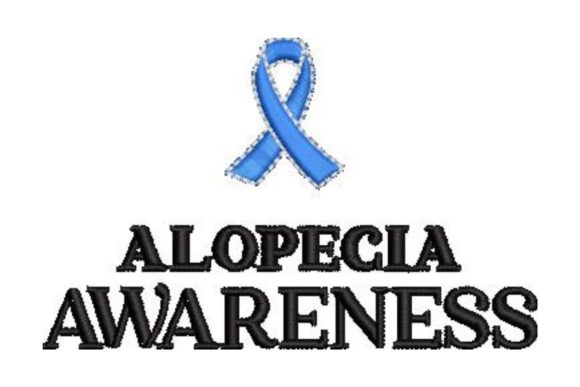
Alopecia Awareness Design Review
As an experienced embroidery designer who has spent years refining digital files for commercial production, I approach every new asset with a critical eye. When evaluating the Alopecia Awareness machine embroidery design, my focus shifts immediately from artistic appreciation to practical application. This review is not just about how the stitches look; it is about whether this design can serve as a viable component of your small business merch, branded patches, or custom apparel line.
The product description states that this design is made for those who want to support people that have been through difficult times and claims it can be stitched on any kind of fabric. While the sentiment is noble, the reality of commercial embroidery requires us to look deeper. Does this design possess the structural integrity to survive frequent washing? Is it versatile enough for the diverse range of products a modern boutique sells? Let's dive into how Alopecia Awareness performs in real-world scenarios.
First Impressions: Professionalism and Emotional Connection
When you first view the Alopecia Awareness file, the immediate feeling should be one of dignity and solidarity. In the world of brand identity, the visual personality of your assets dictates customer trust. A design intended to support individuals facing hair loss must feel premium and respectful, avoiding anything that appears too playful or cheap. If the design leans too heavily into decorative elements, it risks diminishing the serious nature of the cause.
For small business owners, handmade brands, and Etsy sellers, this distinction is vital. Your customers are not just buying a tote bag or an apron; they are buying into a statement. The Alopecia Awareness design needs to project stability. If the lines are too thin or the spacing is inconsistent, the finished product will look like a hobbyist mistake rather than a professional brand asset. We are looking for a design that balances emotional resonance with technical precision, ensuring that the message is clear regardless of the fabric texture or thread colors used.
Real-World Application for Small Business Merch
Imagine a local café or a creative studio launching a campaign to raise funds for alopecia research. They need merchandise that feels authentic. How does Alopecia Awareness translate to physical products?
- Embroidered Patches: This is often the most popular use case. For a patch to work effectively on a denim jacket or a backpack, the stitch density must be high enough to prevent fraying but low enough to remain flexible. The Alopecia Awareness design must hold its shape when cut out and applied. It serves as a powerful badge of honor for staff and customers alike.
- Staff Uniforms and Aprons: For bakeries, florists, or boutiques, adding a subtle chest logo can elevate the perceived value of the service. An embroidered patch featuring Alopecia Awareness on a black apron creates a striking contrast that signals compassion and community involvement. However, the placement is key; it should not interfere with the utility of the garment.
- Cap Embroidery: Caps are a staple of promotional items. Curved surfaces present unique challenges. If the Alopecia Awareness design includes intricate details, it may distort on a standard trucker hat. You must verify that the digitization accounts for the curvature of the cap front to maintain legibility.
- Tote Bag Designs: Canvas totes are durable, but the fabric texture can sometimes hide fine details. A bold version of this design works best here, ensuring the message remains visible even after the bag is filled and handled repeatedly.
Where Caution is Required
While the potential for Alopecia Awareness is high, there are specific areas where a designer must exercise extreme caution. Not every surface is suitable for every embroidery file.
Small patch sizes are particularly risky. If you attempt to reduce the design too much, the text or symbols may merge, creating a muddy appearance that looks unprofessional. Similarly, tiny lettering can disappear entirely on textured fabrics like heavy canvas or fleece. If your goal is to create a discreet label for a product packaging accent, ensure the design is simplified before digitizing.
Dark uniforms also require careful consideration. Light thread colors on dark backgrounds can sometimes suffer from poor coverage if the underlay is not set correctly. Furthermore, items that need frequent washing, such as work shirts or aprons, demand a robust stitch pattern. If the design relies on long, floating stitches, they are prone to snagging during industrial laundering. Always inspect the finished product for loose threads before shipping to your customers.
Impact on Brand Identity and Customer Trust
In the competitive landscape of handmade products and digital embroidery files, visual consistency is everything. Using a high-quality design like Alopecia Awareness directly influences buyer engagement. When a customer sees a crisp, well-executed embroidery on a custom apparel item, they perceive higher value in the brand. It suggests that the business cares about quality control and detail.
Conversely, a poorly executed design can damage reputation. If the Alopecia Awareness motif looks distorted or the thread colors clash, it undermines the professionalism of the entire collection. For crafters and product designers, this design asset should be treated as a core component of your brand identity. It tells a story of support and resilience, which resonates deeply with audiences looking for meaningful purchases.
Practical Designer Notes for Production
Before you commit to a full production run of Alopecia Awareness on your machines, follow these essential steps to ensure success.
- Test in Black and White: Start by stitching the design using a single color to check the spacing and layout. This helps identify any potential issues with negative space without the distraction of multiple thread colors.
- Check Stitch Density: Review the file to ensure the stitch density is appropriate for the intended fabric. High-density designs are great for patches but may be too stiff for soft t-shirts.
- Verify Hoop Size: Confirm the required hoop size for your specific machine. A design that fits in a 4x4 hoop might not scale down well for smaller caps or delicate accessories.
- Select Proper Stabilizer: The choice of stabilizer is crucial. For curved surfaces like caps, a cut-away stabilizer is often necessary to prevent puckering. For lightweight fabrics, a tear-away might suffice, but test thoroughly.
- Inspect Thread Color Contrast: Ensure the chosen thread colors provide sufficient contrast against the final fabric. Low contrast can make the message of Alopecia Awareness difficult to read.
- Create a Printable Mockup: Before cutting fabric, generate a printable mockup for client approval. This allows you to visualize the design on the actual product and catch errors early.
- Confirm Commercial Licensing: Most importantly, verify the licensing terms of the digital embroidery file. Ensure you have the right to sell products featuring this design commercially. Do not assume that purchasing the file grants unlimited rights for merchandise.
By following these guidelines, you can transform the Alopecia Awareness design from a simple digital file into a powerful tool for your small business. Whether you are creating branded patches, custom apparel, or event merch, the goal is always a finished product that honors the cause while maintaining the highest standards of craftsmanship.
Remember, the success of your embroidery projects depends on the synergy between the design file, the machine settings, and the materials used. Take the time to test, refine, and perfect. With the right approach, Alopecia Awareness can become a signature element of your brand, fostering connection and trust with your community.